Self-care can mean a quiet bedtime routine, a little relief after a long day, or a more comfortable place to work and unwind. These 12 gift ideas bring together practical comforts and small tools for making time to recharge.
Consider the recipient’s habits and space: some gifts suit a dedicated wind-down routine, while others fit into a busy day. Check current product details, compatibility, dimensions, and delivery estimates before ordering.
12 Self-Care Gift Ideas for Rest and Everyday Comfort
RENPHO Full Foot Massager with Heat
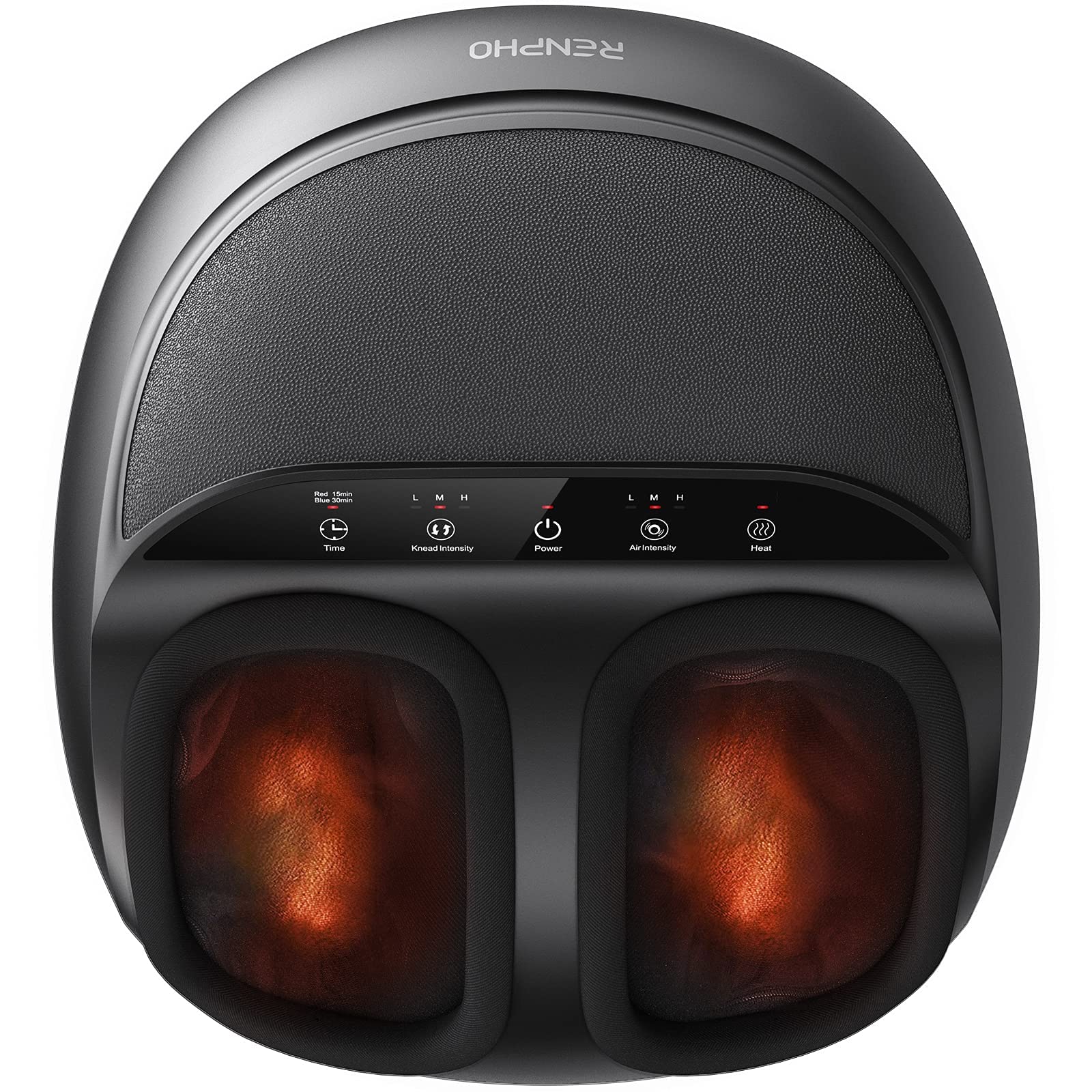
- Combines kneading, rolling, and heat for a foot massage.
- Adjustable massage settings let the user choose a preferred intensity.
- The removable cloth sleeve can be washed for care between uses.
Best Gift For: A person who would enjoy a foot massage as part of a relaxing evening routine.

BOB AND BRAD Q2 Pro Mini Massage Gun
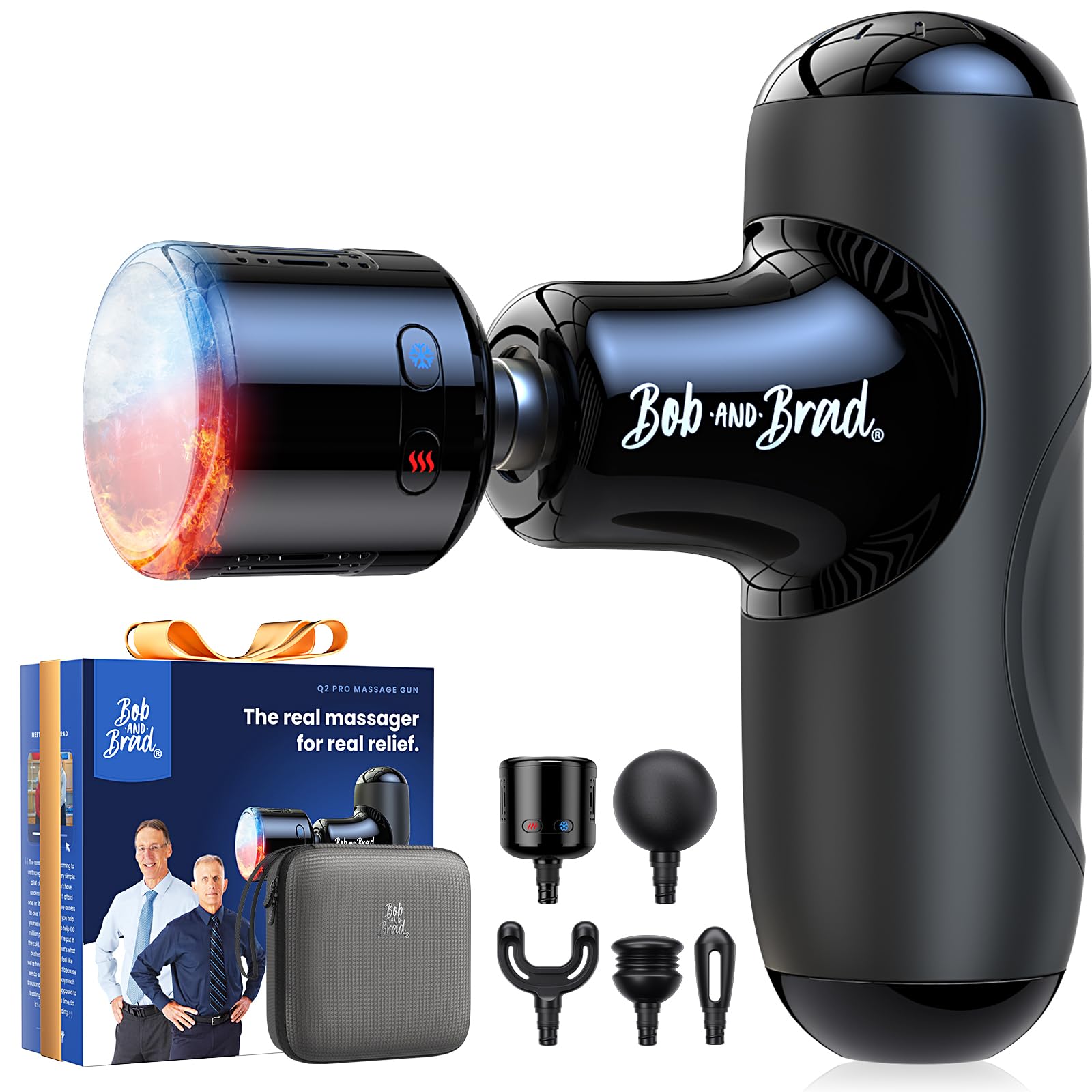
- Includes heat and cold options for targeted massage sessions.
- A compact design comes with a portable hand case.
- Five interchangeable heads offer options for different muscle groups.
Best Gift For: Someone who wants a portable massage tool for home, gym, or office routines.
MyHalos 3D Sleep Mask, Black, 2-Pack
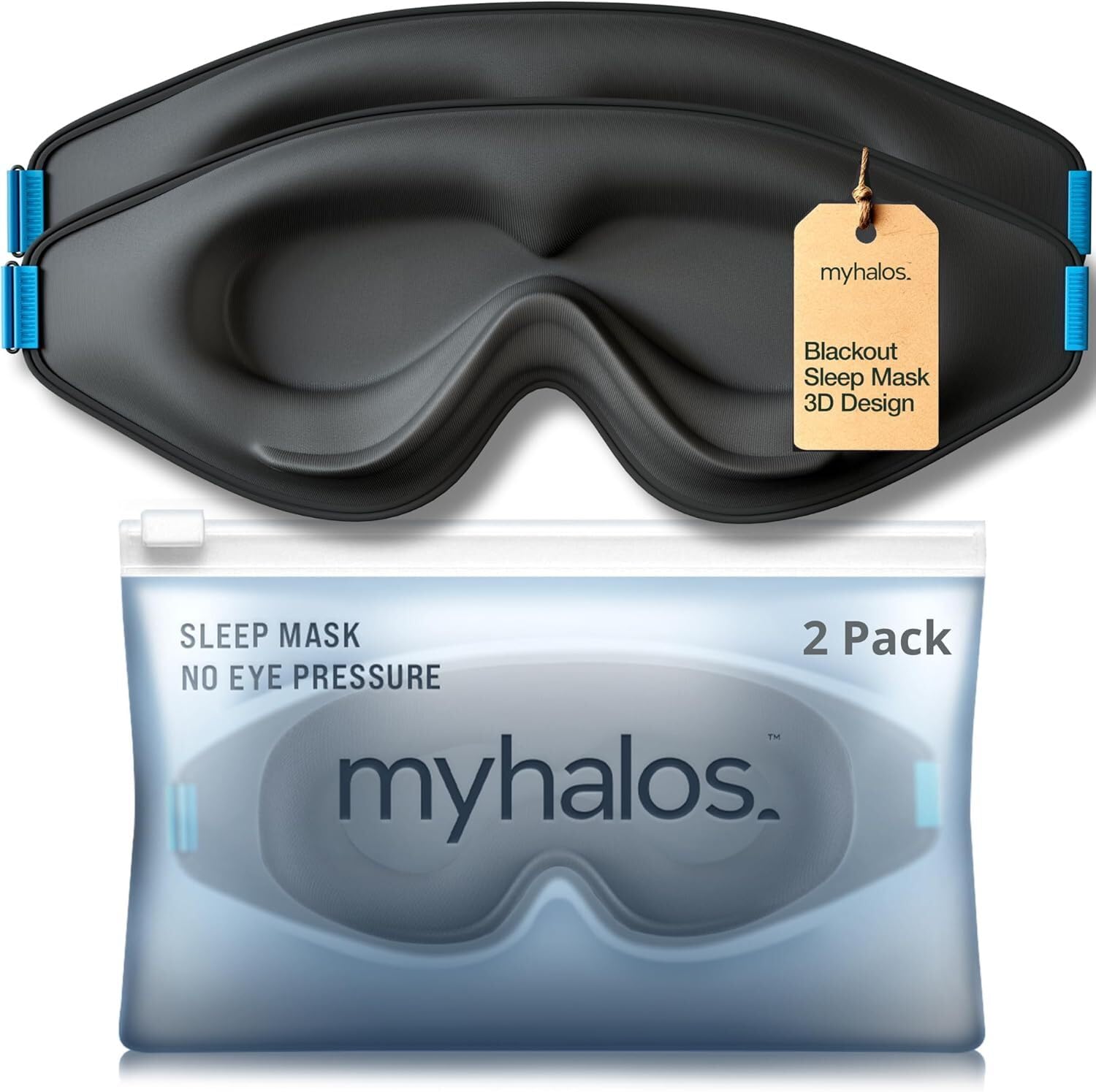
- The contoured design is made to block light.
- Deep eye cups are designed to avoid contact with eyelids or lashes.
- A protective travel pouch comes with the mask.
Best Gift For: A frequent traveler or side sleeper who would appreciate a dark, comfortable rest break.
Bare Home Cotton Weighted Blanket, Light Grey, 60 x 80 in, 22 lb
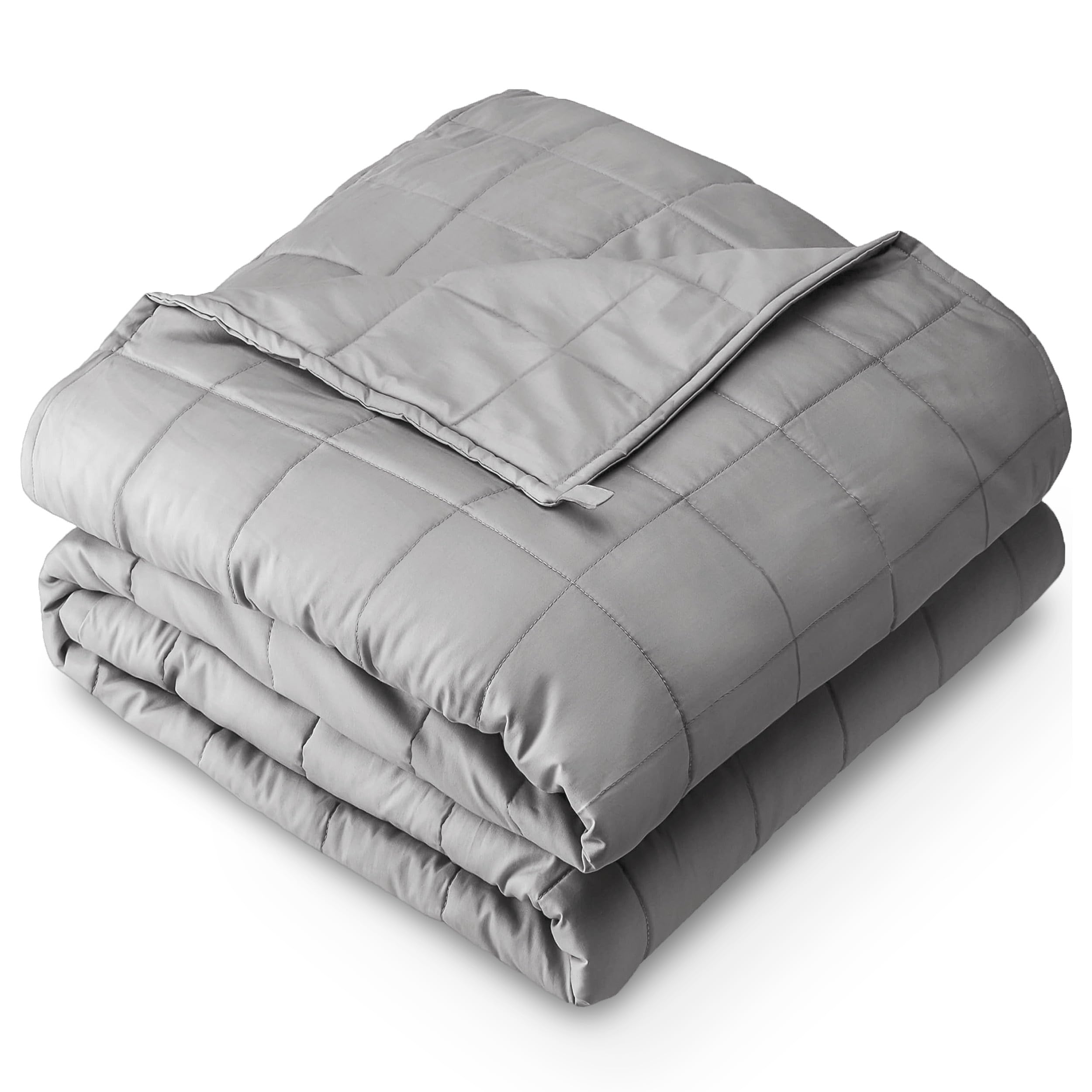
- Cotton fabric and glass bead filling make up the blanket.
- Reinforced stitching is designed to help keep beads in place.
- Corner loops can secure a duvet cover with ties.
Best Gift For: Someone who likes a cozy blanket for settling in at bedtime or during quiet evenings.
Everlasting Comfort 6L Cool Mist Humidifier
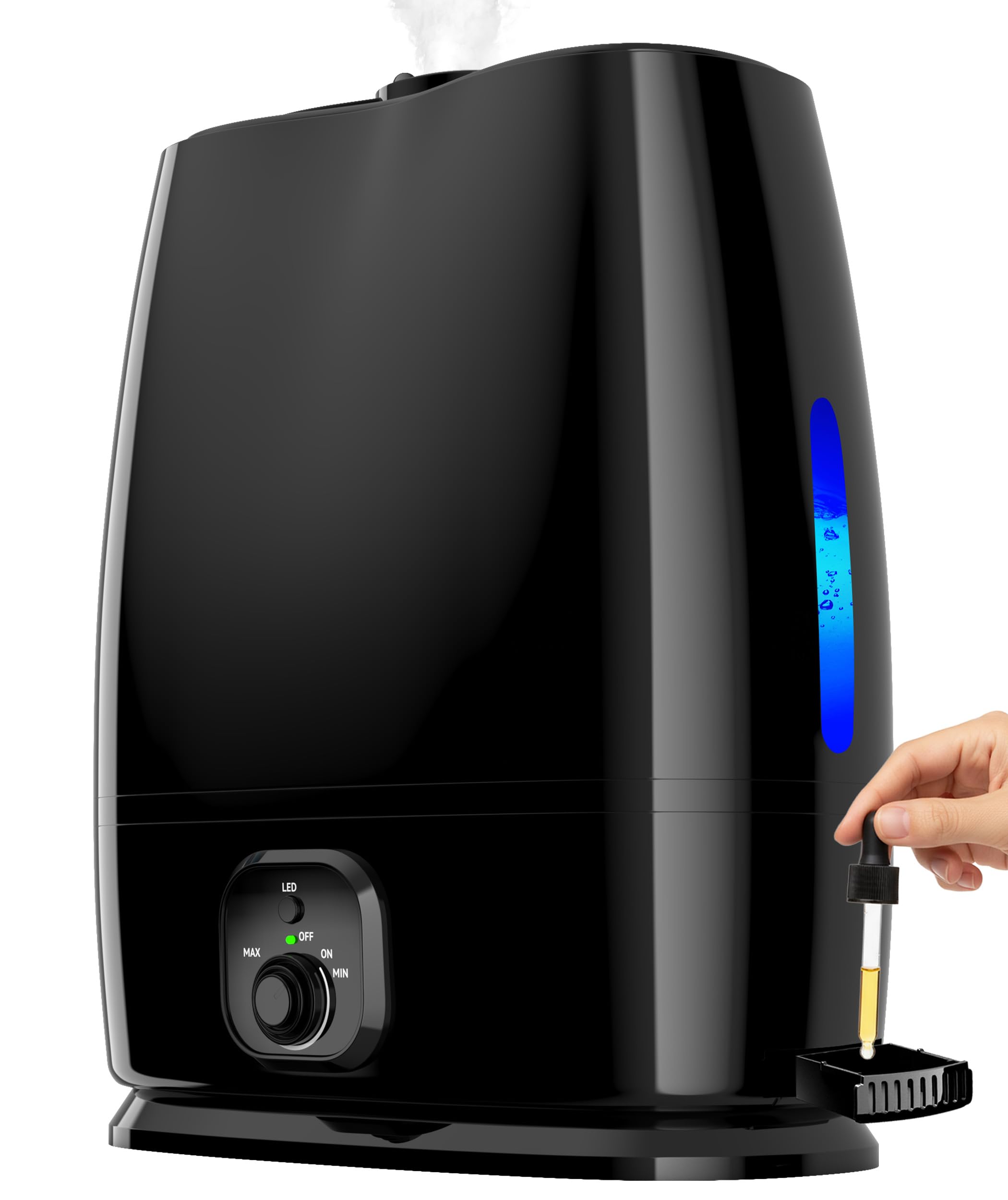
- The cool mist design has a 6L water tank.
- A wide tank opening supports cleaning and maintenance.
- The unit has a tray for essential oils and aromas.
Best Gift For: Someone who wants a bedside humidifier as part of a comfortable home routine.
Everlasting Comfort Memory Foam Foot Rest
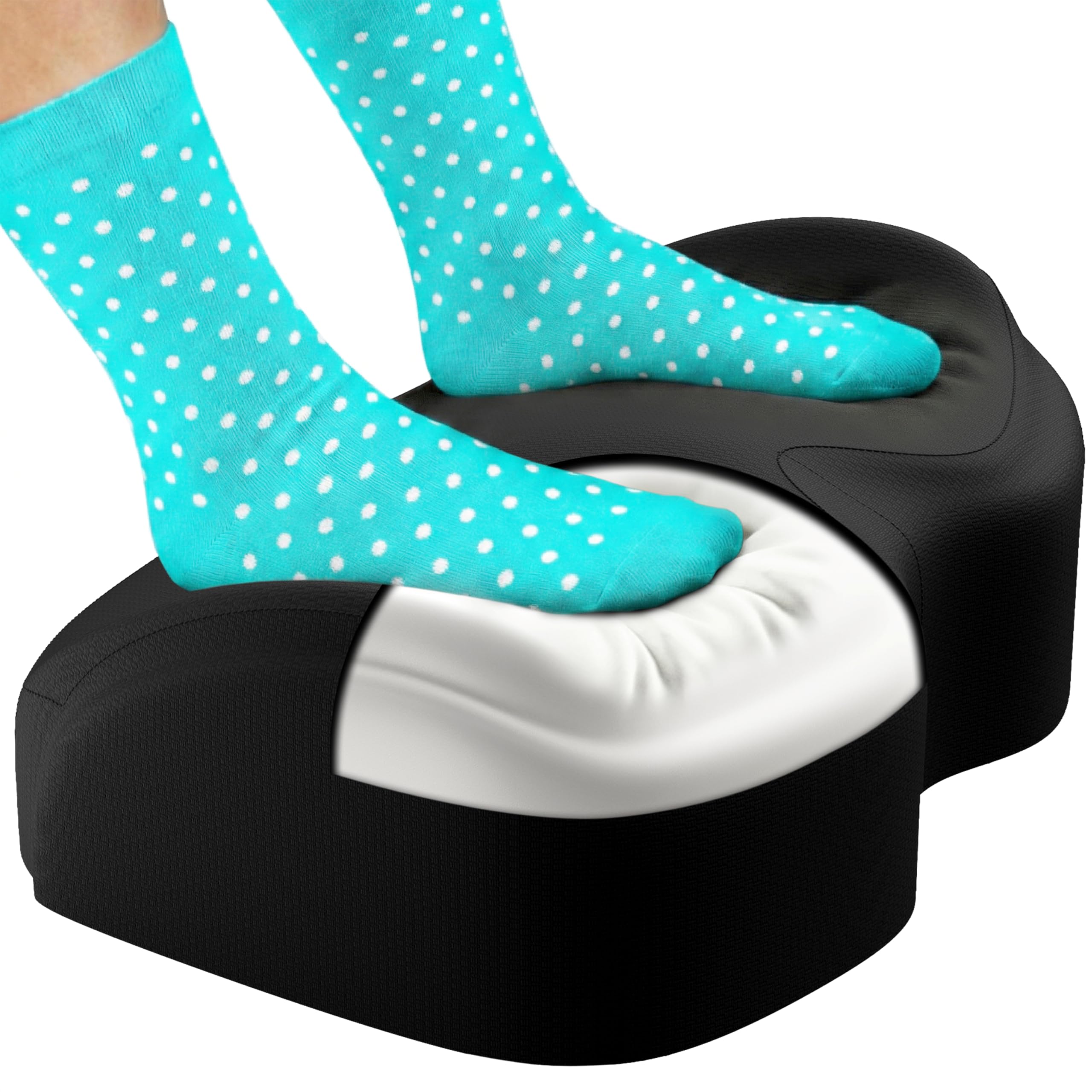
- Memory foam supports an elevated-foot setup at a desk.
- The cover is breathable and machine washable.
- A non-slip base helps it stay put on common floor surfaces.
Best Gift For: Someone who spends long stretches at a desk or gaming station and appreciates foot support.
SHOKZ OpenRun Pro Bone Conduction Headphones
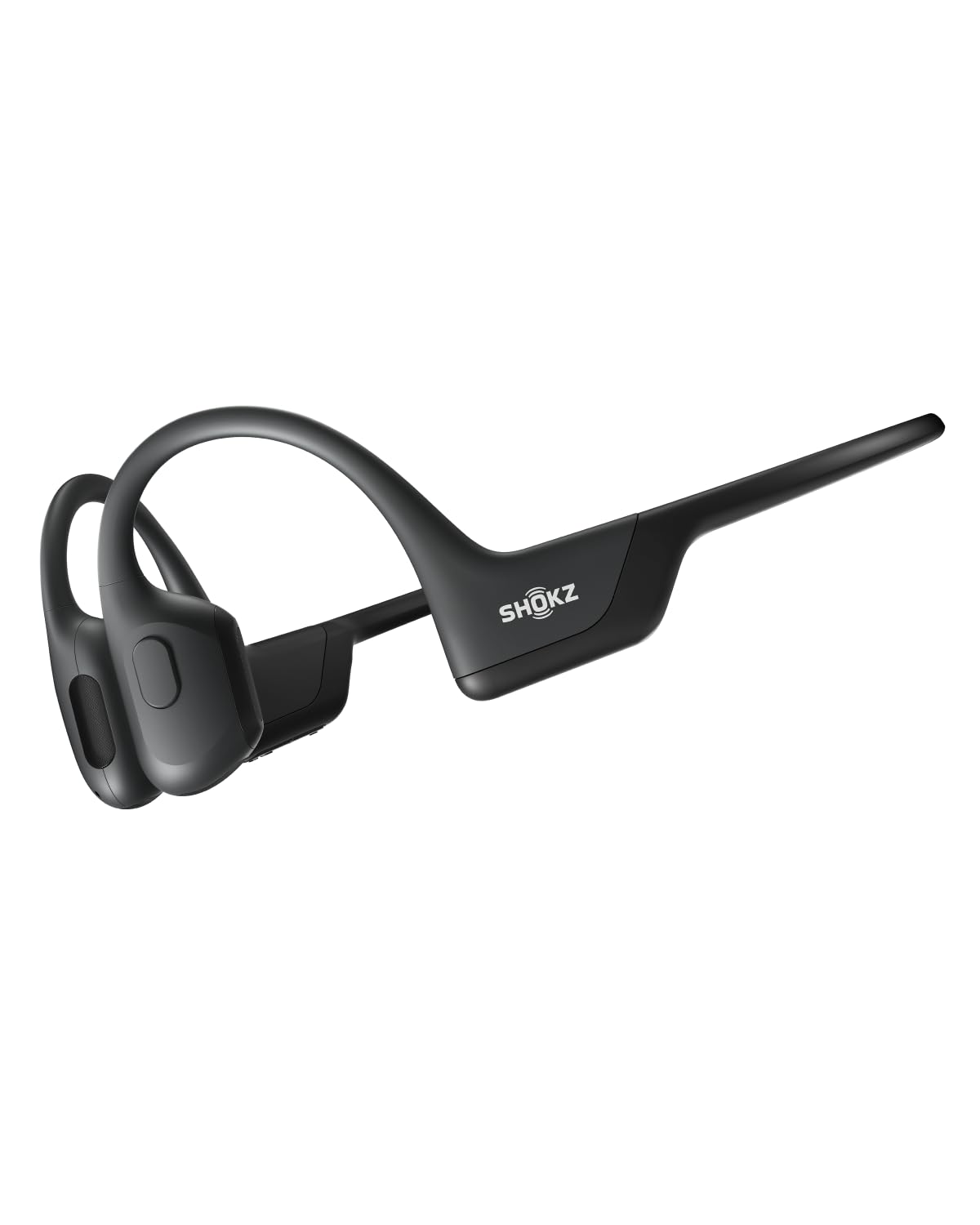
- The open-ear design avoids in-ear headphone buds.
- A wraparound titanium frame is designed to stay stable during training.
- Provides ten continuous hours of music, calls, and podcasts.
Best Gift For: Someone who likes listening to music or podcasts during a workout while remaining aware of their surroundings.
SHOKZ OpenFit Open-Ear Earhook Earbuds
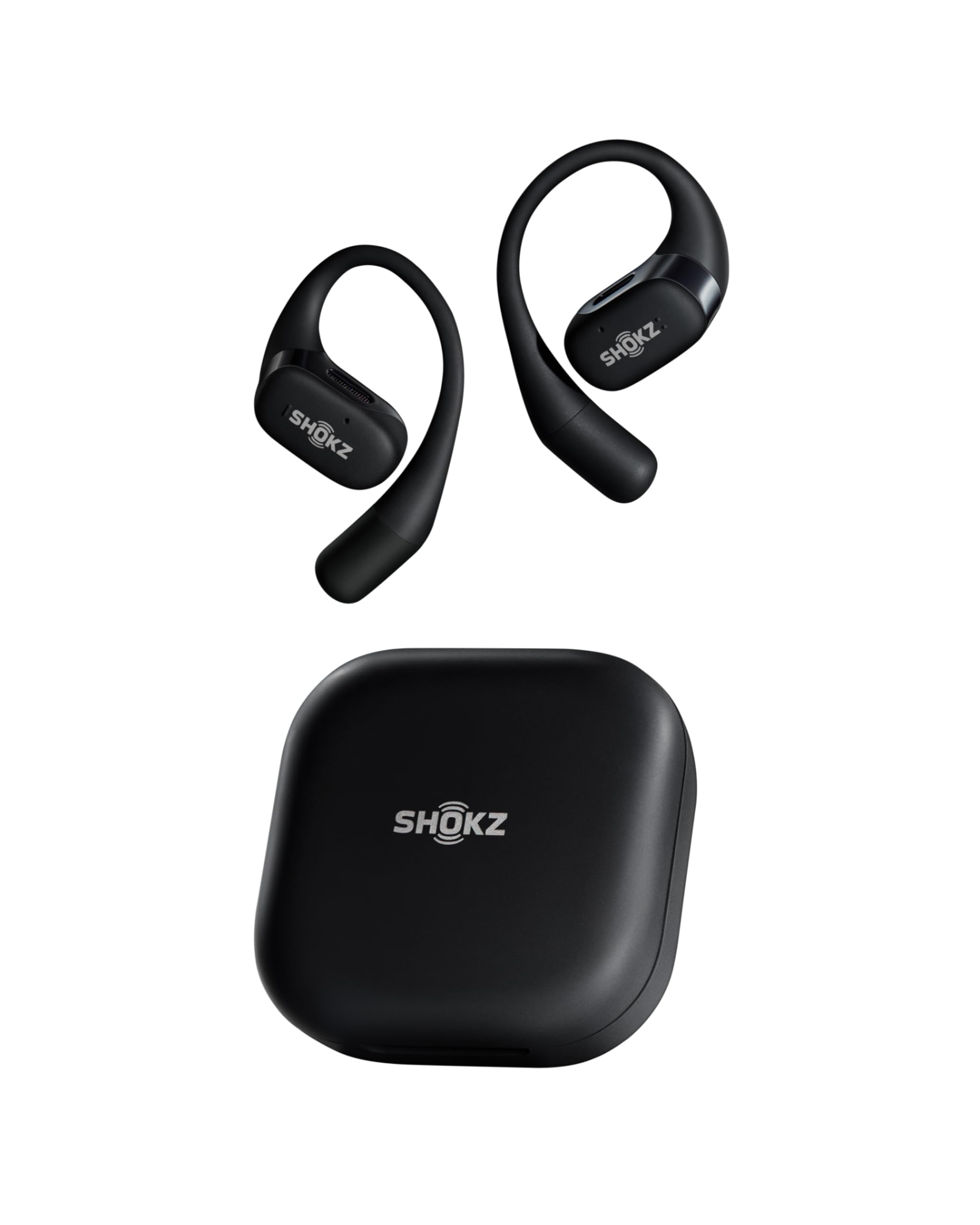
- Soft silicone cushions are part of the ergonomic earbud design.
- The flexible ear hook is designed for a soft, secure grip.
- The charging case supports up to 28 hours of listening.
Best Gift For: Someone who enjoys audio during a commute or workout and prefers an open-ear style.
Clever Fox Planner PRO Light, Undated, 8.5 x 11 in
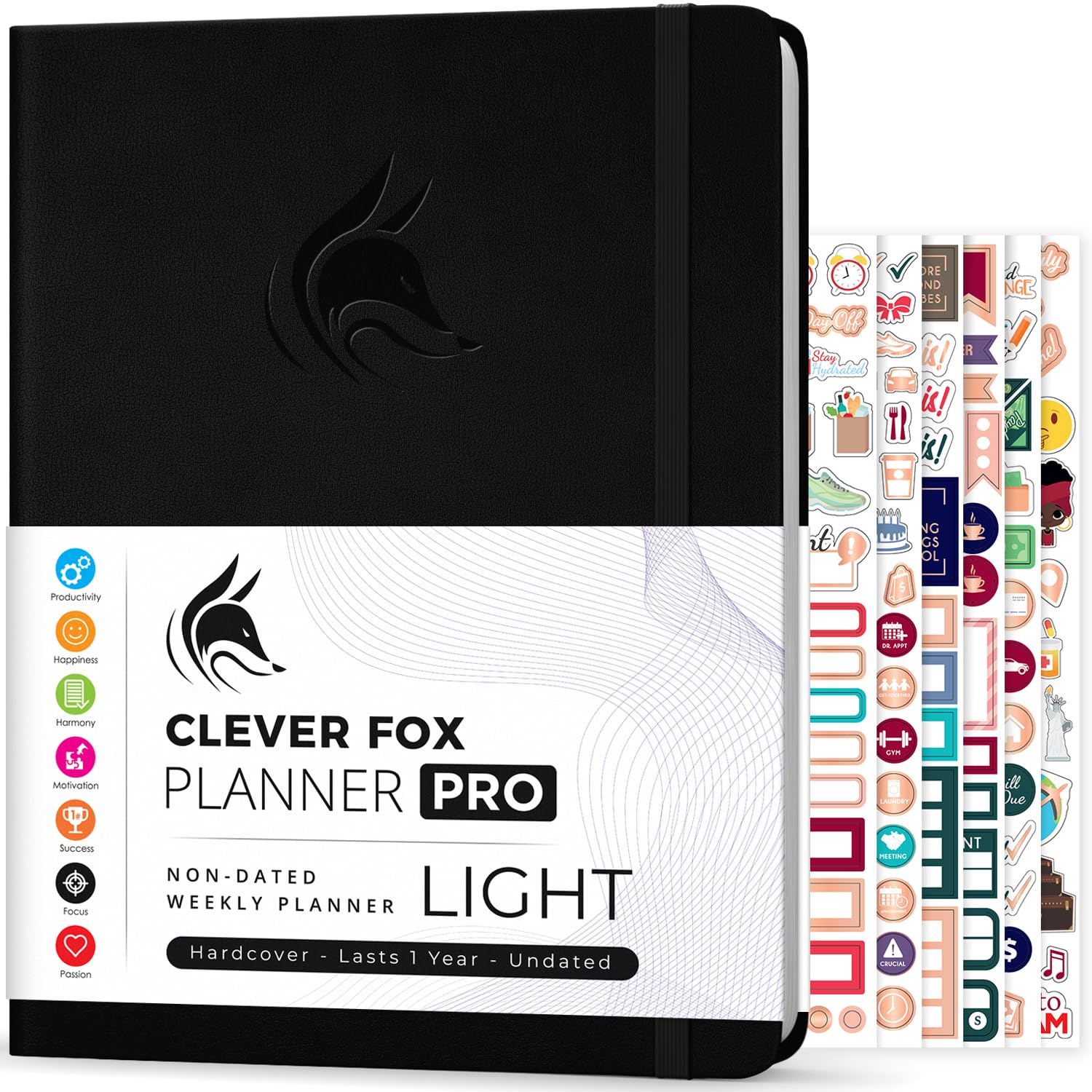
- Weekly and monthly planning pages support organizing an agenda.
- The undated layout lets the user start at any time of year.
- Includes an illustrated user guide and planning stickers.
Best Gift For: Someone who enjoys organizing goals and making time for personal priorities.
Hydracy 2L Motivational Water Bottle
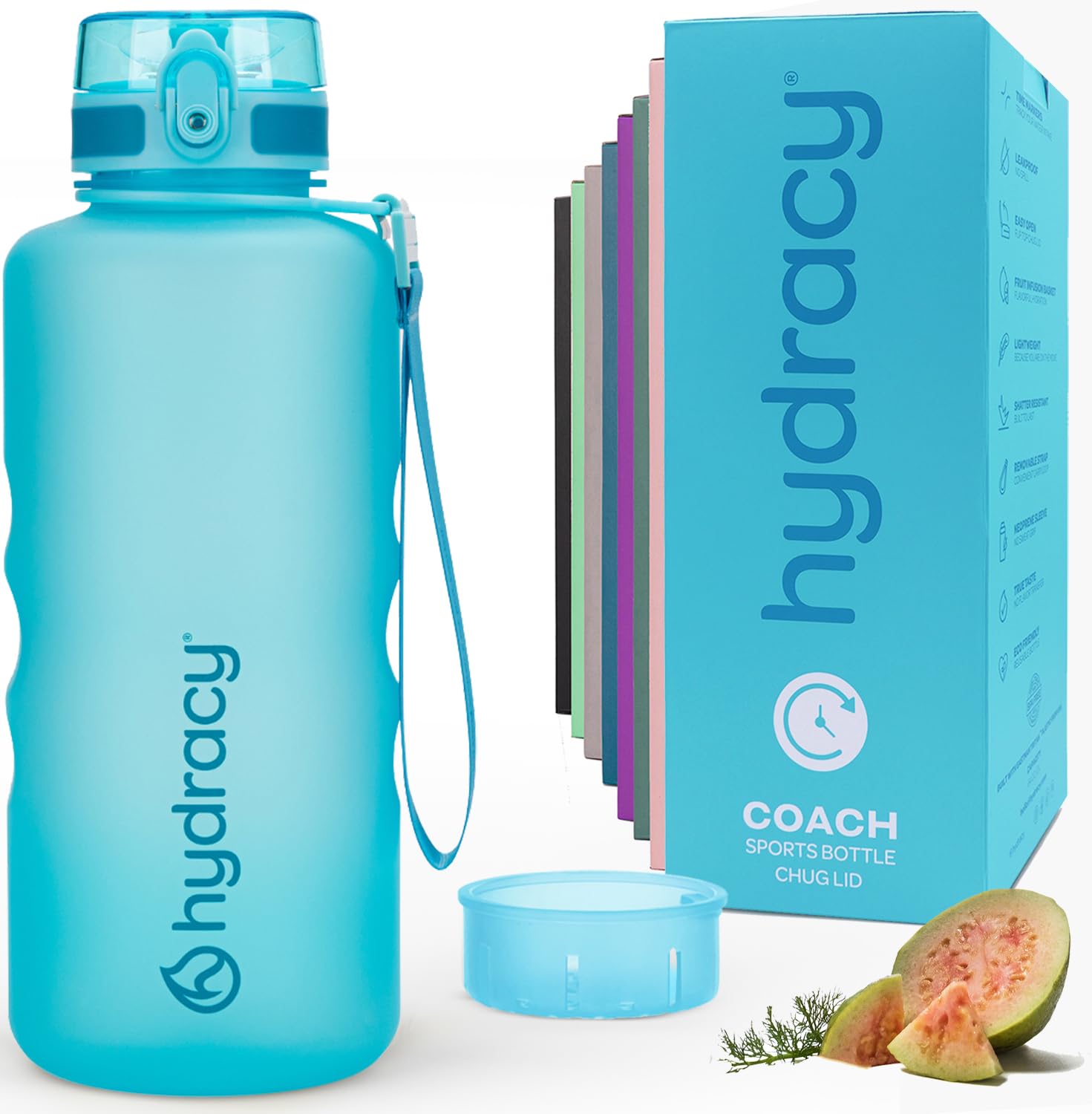
- The motivational timeline helps you track when to take your next sip throughout the day.
- The bottle has a detachable travel carry strap.
- A fruit infusion strainer is included in the design.
Best Gift For: Someone who wants a time marker for drinking water throughout the day
PILOT G2 Fine Point Green Gel Pens, 12-Pack
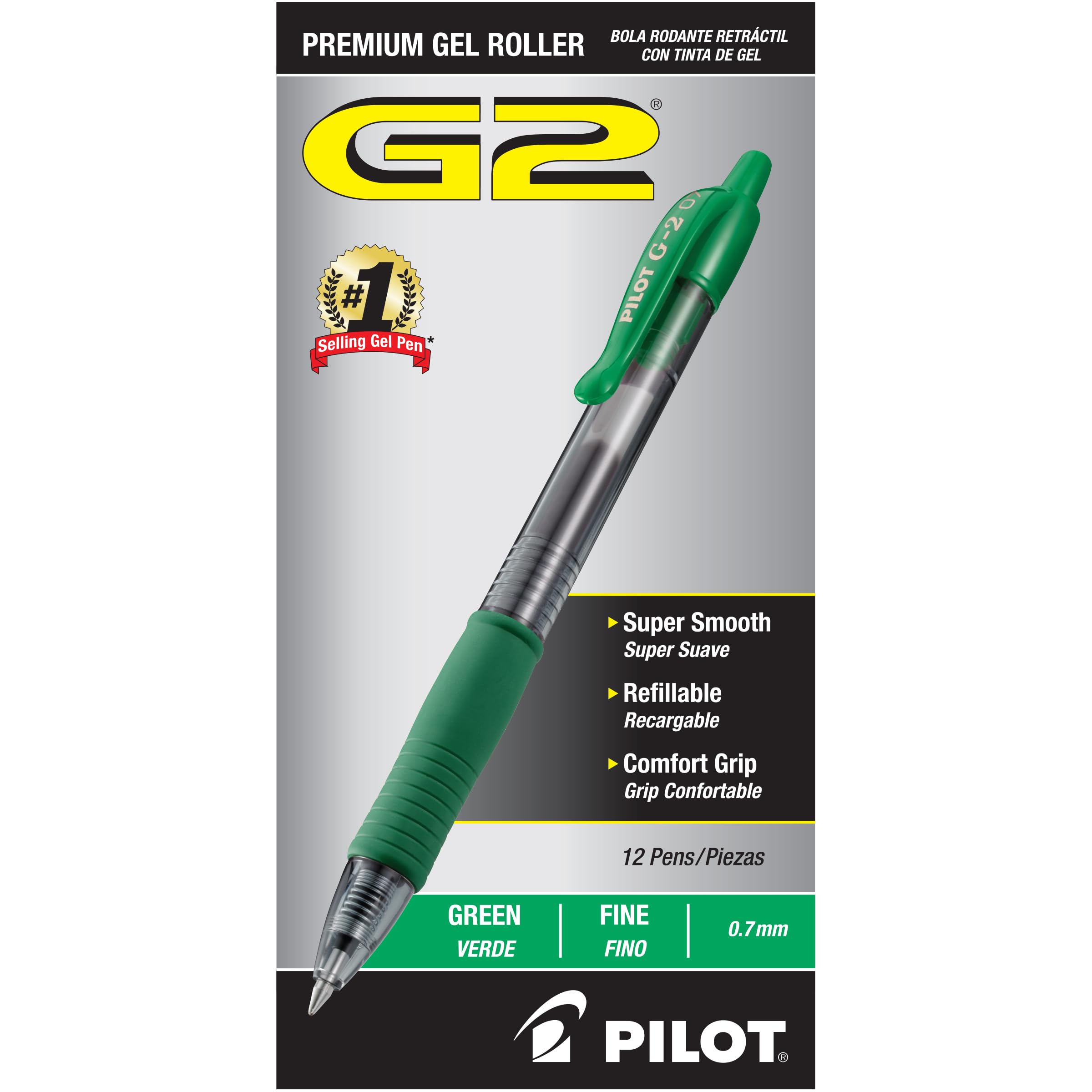
- The fine-point pens use green ink.
- The pens have a contoured rubber grip.
- The retractable pens can be refilled with Pilot G2 refills, sold separately.
Best Gift For: Someone who enjoys journaling, planning, or making handwritten lists.
SONGMICS Folding Bed Laptop Desk
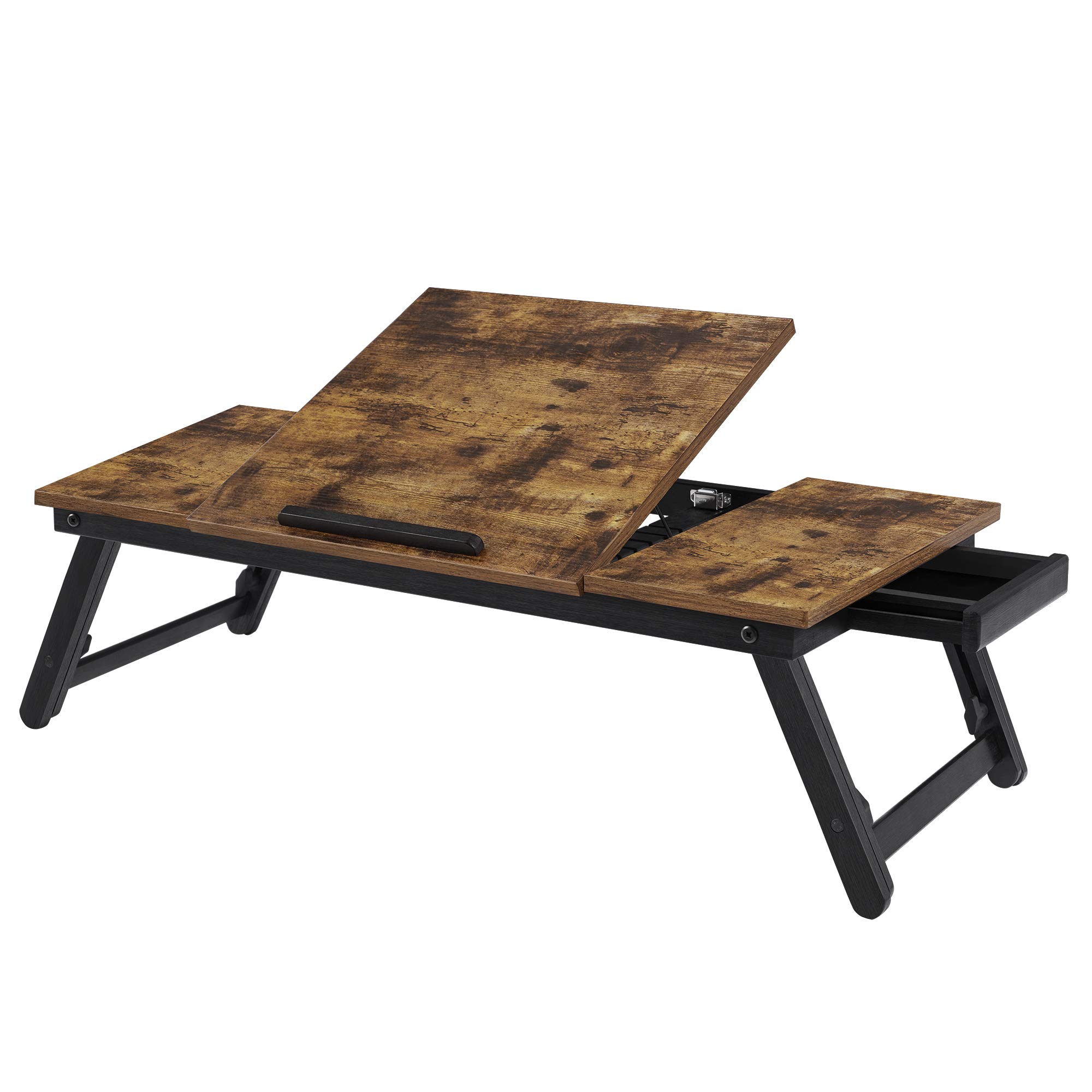
- The tray adjusts in height and has five angle settings.
- The symmetrical desktop leaves mouse space on either side.
- The tilt top can be flattened for other uses.
Best Gift For: Someone who likes reading, writing, or working comfortably from bed or a sofa.
1. Match gifts for people who love self care to their routine
When choosing gifts for people who love self care, start with the moments the recipient already protects. A person who unwinds at home may appreciate a comfortable bedtime routine, while someone with a full schedule might value a small prompt to pause, hydrate, or plan the day.
Ask yourself whether the gift will fit naturally into their habits.
Think about where the gift will live and how often it will be used. A desk comfort item suits someone who works from home, while a sleep accessory may be more useful to someone who travels.
Consider storage, setup, and whether the recipient prefers quiet rituals or practical tools they can use throughout the day.
For a personal touch, pair a useful item with a note that gives the recipient permission to take time for themselves. A short message such as “for a slower Sunday morning” makes the gesture feel attentive without implying that they need fixing or changing.
Keep the focus on comfort and their preferences.
2. Balance the budget with everyday usefulness
Set a comfortable spending range before browsing, then decide whether you want one substantial present or a few small things that work together. A planning item and a favorite beverage can feel considered without requiring a large purchase; a bigger comfort item may make sense when several people are contributing.
Think about cost alongside upkeep and fit. A gift that needs a particular place to sit, regular cleaning, or compatible accessories may involve more effort after it is opened.
Check current prices and product details, and make sure the recipient has room for an item intended for a bedroom, desk, or shared space.
A lower-cost add-on can make a larger gift feel more personal: include a handwritten routine idea, a bookmark, or a small treat the recipient already enjoys. Keep any extras easy to use and aligned with their tastes.
Avoid building a bundle around scented products or food unless you know those choices are welcome.
3. Make the gift feel personal and easy to enjoy
The most thoughtful gifts for people who love self care reflect the recipient’s own definition of rest. One person may want a quiet evening, another a more comfortable workday, and someone else a simple way to keep personal goals visible.
Choose for the person in front of you rather than for a generic wellness routine.
Presentation can set a gentle tone. Use a reusable gift bag or a simple box, add tissue paper, and include a brief note naming the moment you hope they enjoy.
If the item needs setup, add a card offering to help arrange it or clear a spot, while leaving the timing and routine up to them.
If you are giving something that connects to an existing habit, make that link clear in your note: “for your next long reading break” or “for a peaceful night in.” A small, specific message can make a practical present feel warm. Keep the wrapping easy to open and avoid making the recipient perform gratitude in front of a crowd.
4. Give a little guidance without creating pressure
Self-care gifts should feel like invitations, not assignments. Avoid language that suggests the recipient ought to relax more, sleep better, or improve their productivity.
Instead, frame the gift as an option they can use when it suits them, and let them decide whether it becomes part of a routine.
If you are uncertain about fit, choose something with a flexible use and a straightforward return path. Check current product details, compatibility, dimensions, and any care instructions before buying.
For items that need charging, refills, or a specific device, verify those needs and consider whether the recipient has the required setup.
For a shared gift, ask the group to agree on one clear idea and a budget before purchasing. This can keep the present coherent and avoid a pile of unrelated items.
A sincere card with a few kind words often adds more meaning than extra accessories chosen at the last minute.
5. Last-minute buying advice
If time is short, narrow the choice to something that fits the recipient’s established routine and space. Familiar, easy-to-understand items are generally simpler to gift than products that require a new habit or a complicated setup.
Look through the recipient’s preferences, if known, and rule out scents, colors, or formats they may not use.
Before placing an order, check the current product details, compatibility, dimensions, care needs, and delivery estimate. Availability and arrival timing can change, so rely on the estimate shown for your own location.
If the date is close, choose a local option or a digital note that lets you give the physical gift later.
Finish with a short message that makes the gesture feel intentional even if the shopping was quick. Mention why you thought of them and suggest a low-pressure moment to enjoy the gift.
If the present arrives after the occasion, a card or small placeholder can explain what is coming without promising a delivery date.